Knowledge base
Know-how for everyday housing company life
Guides for boards, property managers and shareholders: maintenance, division of responsibilities, repair backlog and the big and small questions of living in a housing company. 65 articles.

Board member responsibilities and liability for damages
What a housing company board member answers for under the law, when that becomes personal liability for damages and how to reduce the risk.

Power cuts in a housing company: preparation and what to do
A power cut can stop lifts, electric locks, water pumps and ventilation. How a housing company prepares, what residents do and what to check afterwards.

Noise in a housing company: when does sound become a nuisance?
Not every sound from next door is a nuisance. How to tell normal living, disruptive behaviour and technical noise apart, and how to deal with a noise problem.

Housing company documents: 10 every shareholder should know
The articles of association, financial statements, maintenance needs report and minutes show what you own. See what to read in them and what you can request.

Division of responsibilities: who pays when something breaks?
Who repairs a leaking pipe, a broken window or a bathroom? How maintenance responsibility is divided between company and shareholder from 1 October 2026.
Responsibility for windows changed on 1 October 2026: who pays now?
An amendment moved window maintenance to the housing company on 1 October 2026. See what the company and shareholders now cover and when the articles decide.

Renovations by a shareholder: what you can do and when to notify
Shareholders may renovate, but many jobs must be notified first. What the law says on alteration work, supervision and upkeep from 1 October 2026.

The general meeting: how shareholders prepare and have their say
The general meeting decides on charges, renovations and the board. What is on the agenda, what to ask and how to have your say if you can't attend.

15 things to check in your home every year
A small leak or a sticking window is easiest to fix early. Use this 15-point list to check your home once a year and know what to report.

Housing company value: what you cannot see affects the price
An apartment's value depends on the whole housing company: the building's condition, upcoming renovations, finances and information. How to assess it.

Repair backlog in a housing company: what it is and how to spot it
A repair backlog is not in the financial statements and is not the same as an upcoming renovation. How it builds up, how to spot it and what to ask.
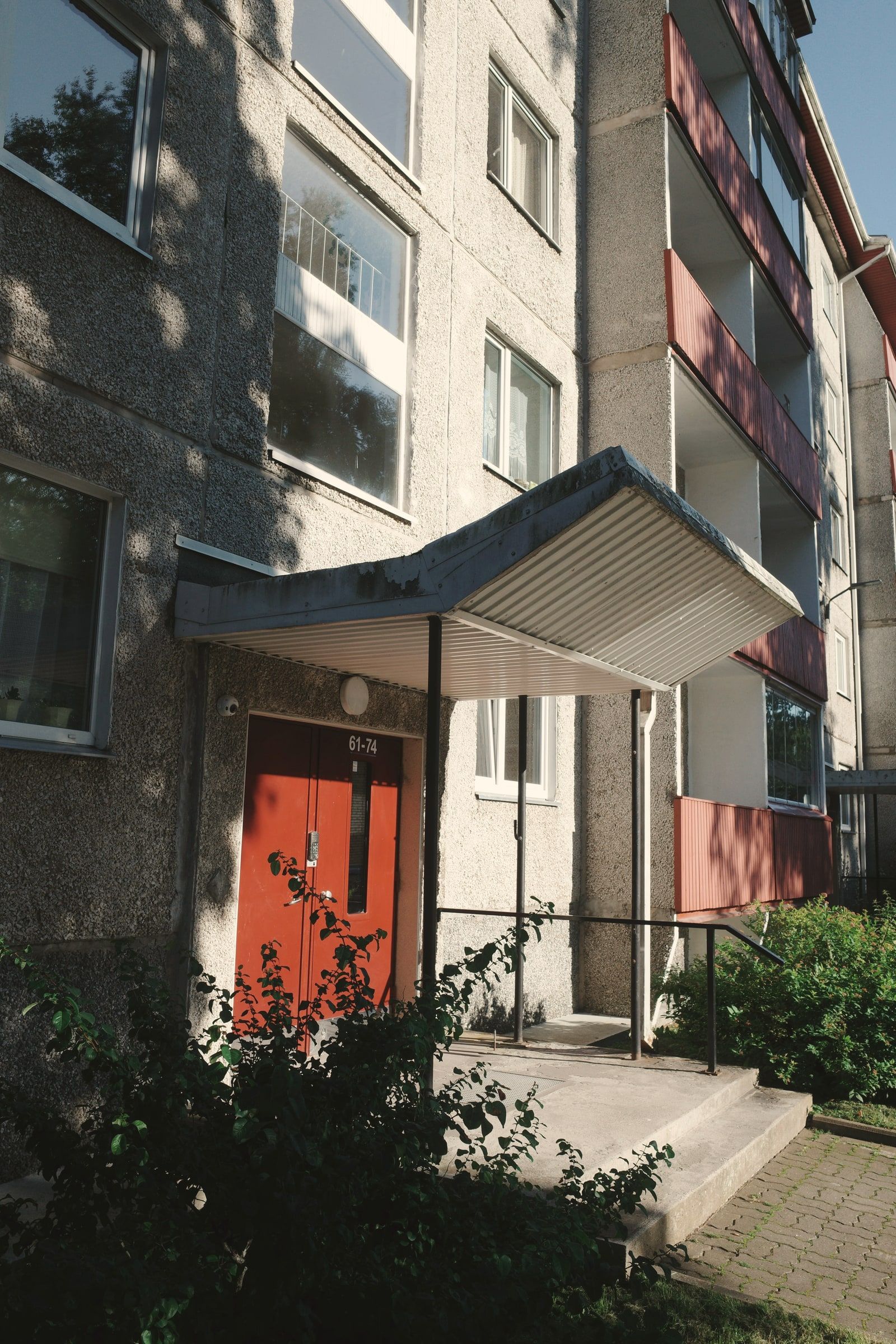
The apartment round: what to check inside the apartments
An apartment round shows the board the apartments it would otherwise never see. What to look at, what the law says and how to record what you find.

The housing company attic: what to check before winter
From the attic you can see the condition of the roof and loft floor before a leak shows in the apartments. What to look out for and what may be stored there.

What the basement tells you about the building's condition
The basement often reveals moisture, ventilation problems and pipe leaks before they show in the apartments. What to look for and who is responsible for it.

Housing company gutters: do they carry water away from the building?
A blocked gutter or badly placed downpipe soaks the facade and plinth. How a housing company checks its gutters and rainwater drainage before winter.

Housing company ventilation: responsibilities, upkeep and advice
Who is responsible for ventilation in a housing company, how to spot problems and how often to change filters? A practical guide for boards and residents.

Moisture problems in a housing company: signs, reporting, liability
A moisture problem often starts with a small observation. Which signs to take seriously, how to report them and how responsibility for the damage is divided.
Fire safety in a housing company: what the law requires
Smoke alarms, escape routes, emergency access roads and the rescue plan: what the Rescue Act requires of a housing company and how to check it in practice.

Housing company windows: upkeep, warning signs and responsibility
Draughts, misting and stiff fittings reveal a window's condition. What to check, what the symptoms mean and who is responsible from 1 October 2026.

Autumn maintenance: getting a housing company ready for winter
In autumn a housing company gets ready for winter: gutters, heating, ventilation, outdoor lighting and the yard. A checklist and tips on recording findings.

Hidden defects in a housing company: signs, checks and responsibility
A hidden defect often gives small signs before damage occurs. Where to look for them, which warning signs to take seriously and how responsibility is divided.

Housing company records: what to keep and how to hand them over
Which documents a housing company must keep by law, what to hand over when the property manager or maintenance company changes, and how to keep it findable.

Unpaid maintenance charges: what if a neighbour doesn't pay?
A neighbour's unpaid charges do not pass to you, but arrears can weaken the housing company's finances. How collection and taking over an apartment work now.

Checking invoices: when the same fault is billed again and again
A correctly billed invoice can still reveal a recurring fault. How checking a housing company's invoices can also become a tool for managing maintenance.

Housing company financing: how does your company look to a bank?
A bank assesses the housing company before granting a renovation loan. What lenders look at and how the board can prepare for financing needs in good time.

Monitoring the building's condition and reading the reports
A condition assessment shows the building as it was on the day. What the law requires of monitoring, and how boards read reports and spot the gaps.

Renovation supervision: did the housing company get what it ordered?
The renovation is done and the invoice paid, but does the work match the order? What the law requires and how a housing company organises supervision.
Competitive tendering in a housing company: comparing bids properly
Three bids, three prices, but are they for the same work? How to make bids comparable and what the law says about a housing company's procurement.

Housing company fault history: making recurring faults visible
Three drain unblockings in three years may be one and the same problem. How to compile a fault history and how it helps find the causes of recurring faults.

Women in housing companies: a practical guide to board work
A housing company board needs good questions, not an engineering degree. A practical guide for women as shareholders, board members and chairs.

Buying a flat: check the housing company, not just the apartment
When you buy housing company shares, you join the whole company. How to read the property manager's certificate and other documents and spot future repairs.

Reporting a fault: fixing the symptom or the cause?
A fault report describes a symptom, not always the cause. How shareholders report faults well and how the board spots recurring faults worth investigating.
Digitalisation in a housing company: fix the data before the software
In a housing company, digitalisation means better information and smoother communication. What the law requires, where to start and what residents gain.
The maintenance log: what to record and how to keep it useful
What the law says about operating and maintenance instructions, how to write a good entry and how to test whether the maintenance log delivers when needed.
Housing company risks and risk management: a guide for the board
Common housing company risks from the roof to contracts, the board's liability, and an annual model for identifying, assessing and managing risks.

Housing company board member: role, induction and handover
Just elected to the board? Read what a member's role is, what to learn in your first month and how to keep knowledge when the board changes.

Housing company board duties: what the law requires in practice
What a housing company board must do under the law, what it can leave to the property manager and maintenance, and which questions keep the building in check.
A one-page status overview and 20 questions for the board
What the board needs to see at every meeting, and how the building's condition, finances and risks fit on one page. Plus a 20-question test at the end.
The building walk-through: how the board inspects the building
A building walk-through shows the board the building's real condition: what to check on the roof, in the basement, yard and stairwells, and how to record it.

Housing company decision-making: the board's most common mistakes
What the law requires of a housing company board's decisions, where boards typically go wrong and what to ask before making a significant decision.
Can a housing company go bankrupt? 7 warning signs for the board
A housing company can go bankrupt too. What the law says from 1 October 2026, how bankruptcy affects shareholders and how to spot the warning signs in time.

Good housing company management: running it like a business
A housing company often manages assets worth millions. How responsibilities are divided, what the law requires of the board and what to learn from business.

What does a housing company shareholder own and answer for?
A shareholder owns shares that give the right to occupy an apartment. What does that mean for maintenance, renovations and obligations from 1 October 2026?

The long-term maintenance plan (PTS): contents and updates
A PTS is not required by law, but it shows what will happen to the building over ten years. What it contains, who prepares it and how to read it.

The maintenance needs report: what it tells you and how to read it
The maintenance needs report shows which repairs a housing company should prepare for over five years. Here is how to read it and what to ask about it.

Housing company finances: do you know where your charge goes?
The financial statements, budget and maintenance needs report show where a housing company's money goes. How to read them and ask the right questions.

Housing company insurance: what it covers and what it doesn't
Property insurance covers sudden damage, not wear and tear or neglected maintenance. How property and home insurance share the cost of damage.

The Housing Companies Act: what every shareholder should know
The Housing Companies Act affects every shareholder. Its principles, who decides what, maintenance responsibility and the changes from 1 October 2026.

Balconies in a housing company: what to check and who is responsible
A balcony is part of the building's structure and facade. What to check, who is responsible and why even a small crack should be investigated.
Electrical safety and distribution boards in a housing company
Dust, loose connections and growing loads can make a distribution board dangerous. What the law requires, what to monitor and who is allowed to do what.
Being a shareholder in a housing company: rights and influence
What can a shareholder do without a board seat? Who decides what, your rights as a shareholder and the documents that show the company's position.
Running a housing company with data: metrics and the board's year
Which figures a housing company board should track beyond the bank balance, and how to plan the year's work proactively from spring through to winter.

The property manager and the board: how the cooperation works
The property manager prepares and implements; the board decides and supervises. Read how the law divides the work and how the board follows up its decisions.

Your maintenance company: cooperation, reporting and tendering
The maintenance company sees the building more often than the board. How to use its observations in decisions and how to tender the contract.
A housing company website: what is worth publishing?
A website gathers the housing company's notices, instructions and contact details in one place. What to put on it, and what should never be made public?
A housing company app: what it can include and how to introduce it
A housing company app brings notices, fault reports, documents and bookings together. What it can include and what to bear in mind when introducing one.
Housing company costs: where money goes without anyone noticing
Recurring minor repairs, hidden leaks and lost information push up housing company costs year after year. How the board can spot and tackle them.
Preventive maintenance and faults that develop quietly
Few complaints do not mean the building is in good shape. See where a housing company's preventive maintenance should focus and what the board should ask.
Housing company maintenance costs: what you pay for and what you get
A maintenance contract's monthly fee says little about the service. What maintenance costs are made of and how the board can judge content and quality.
The housing company yard: safety, responsibilities and annual check
The yard is part of a housing company's planned maintenance. A checklist for paths, trees, lighting and rainwater, plus who is responsible for what.
The summer building check: ten things worth looking at
Bright, snow-free months are the best time to check the roof, facade, balconies, rainwater drainage and yard. A checklist for the summer round.
Residents' observations: small signs before costly damage
Residents often notice a smell, a water stain or an odd noise first. How a housing company collects these reports, checks them early and avoids costly damage.

Why do maintenance charges rise and how can increases be curbed?
The maintenance charge rises when a housing company's expenses grow. Common reasons, who decides on the charge and how preventive maintenance keeps costs down.
The housing company board chair: duties, liability and information
What the Housing Companies Act says about the board chair, whether the chair's liability is greater and how to put residents' observations to use.
Water damage in a housing company: risks, prevention and liability
Water damage often develops unnoticed from joints, floor drains and wet rooms. Where it starts, how to prevent it and who is responsible for the damage.

Free assessment
Let's plan the right round for your housing company
Call us or send a contact request. The assessment and advice are free of charge. We can visit the property if needed.