Preventive maintenance and faults that develop quietly
In this article
A housing company is responsible for maintenance insofar as it is not the shareholder’s responsibility (the Limited Liability Housing Companies Act (opens in a new tab), chapter 4, section 2). In practice, many housing companies repair whatever someone reports. The shift from patching faults to anticipating them begins when the board and the property manager know what to monitor, why, and how to get the information to support decisions.
When there have been no complaints
“We haven’t had any complaints” sounds like good news, but mostly it tells you what residents have noticed. A resident sees the surfaces of their own apartment. They do not know what pipe brackets should look like, whether connections in the electrical cabinet are heating up or whether there is moisture in the base floor.
The most serious faults often develop inside structures, in technical spaces and in pipework. Water damage can start from a slowly seeping joint, a worn seal or a floor drain that is starting to clog. Found in time, the repair is small; years later, it may mean demolition, drying out and repairs to several apartments. Electrical systems, on the other hand, usually work for decades without problems, and that is exactly why monitoring them gets forgotten. Read more about the condition of electrical panels.
A small fault is cheaper than damage
The idea of preventive maintenance is simple:
- a small roof leak is repaired before it turns into water damage
- a loose electrical connection is found before it overheats
- a rainwater gully that is starting to clog is cleaned before water gets into the structures
- a worn door closer is replaced before the door breaks
- emerging facade damage is repaired locally before a major renovation is needed.
When a fault is only found after damage has occurred, the bill can easily include demolition, drying out, structural repairs, disruption to residents, the insurance excess and the extra cost of an urgent contract. Acting early reduces exactly these costs and extends the service life of technical systems.
Where monitoring should focus
The roof. Even a small leak can wet the roof space for a long time before a mark appears in an apartment. Regular inspection reveals loose roofing, damaged penetrations and blocked gutters. You can see a lot from the attic; see what to check in the attic.
Facade and balconies. Cracks, weathering and loose joints should be repaired in time, when the repair can often be done locally. On balconies, keep a particular eye on drainage and railings.
Ventilation. Dirty ducts and incorrect settings impair indoor air and increase the risk of moisture. Filters are changed according to the maintenance programme, ducts are cleaned and the system is adjusted as needed.
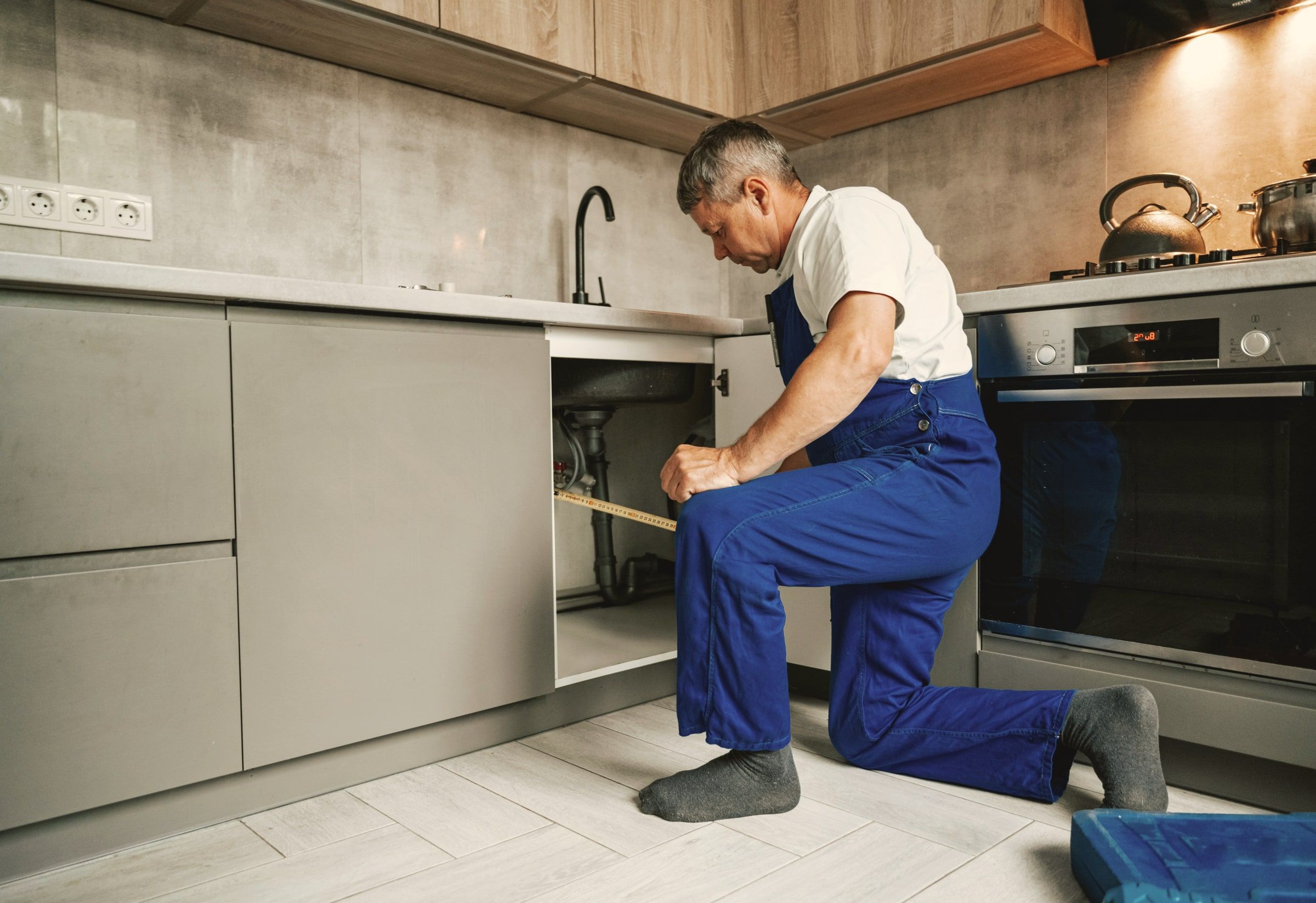
Technical parts of the apartments. Many risks are inside the apartments: floor drains, pipe supports, smoke alarms and fresh air filters. When they are checked in all apartments at the same time, the overall picture emerges from a single visit rather than from years of fault reports.
Electrical systems. Distribution boards and electrical cabinets are checked regularly. Loose connections, dust and thermal load increase the fire risk.
The yard. Paths, lighting, railings and rainwater drainage are matters of both comfort and safety.
The board needs information, not technical skills
A board member does not need to be a plumber or a structural engineer. The board’s task is to organise the upkeep of the property properly (chapter 7, section 2), meaning to make sure the right things are inspected and decisions are based on information. The practical work is done by the property manager, the maintenance company and, where necessary, experts.
Good questions for a board meeting are:
- Which parts of the property have not been inspected in the last 12 months?
- Which technical systems do we not know well enough?
- What are the building’s biggest risks?
- What would happen if a system failed tomorrow?
The first question often tells you more than a list of complaints. The most expensive mistakes are rarely bad decisions. More often they are decisions that were never made: an inspection was not carried out, an observation was not investigated or a repair was postponed by a year without good reason.
Recorded information carries over from year to year
When maintenance is based on regular inspections and recorded observations, repairs can be planned years in advance. In any case, the board must give the annual general meeting a written report on the maintenance needed over the next five years (chapter 6, section 3). Up-to-date condition information makes the maintenance needs report (kunnossapitotarveselvitys) reliable and makes it easier to plan the budget and financing.
Well-kept information also shows in value. When maintenance reports, inspections, photos and the long-term plan are all in one place, the property’s condition is easy to demonstrate to buyers and lenders. The information is also preserved when the board or the property manager changes. Read more about hidden defects in a housing company and how maintenance left undone turns into a repair backlog.
Frequently asked questions
What does preventive maintenance mean?
Regularly inspecting and maintaining the building, the technical parts of the apartments and the outdoor areas before serious damage develops.
How often should the condition be inspected?
The building is monitored continuously as part of property maintenance. In addition, the housing company should commission a condition assessment and update its long-term plan regularly. The right interval depends on the building’s age, condition and use. The board can also walk round the building itself once a year; see the building walk-through.
How does preventive maintenance benefit shareholders?
Fewer unexpected renovations, a more predictable maintenance charge and better preservation of the apartment’s value.
This article provides general information and does not replace case-specific legal or technical advice.