The housing company yard: safety, responsibilities and annual check
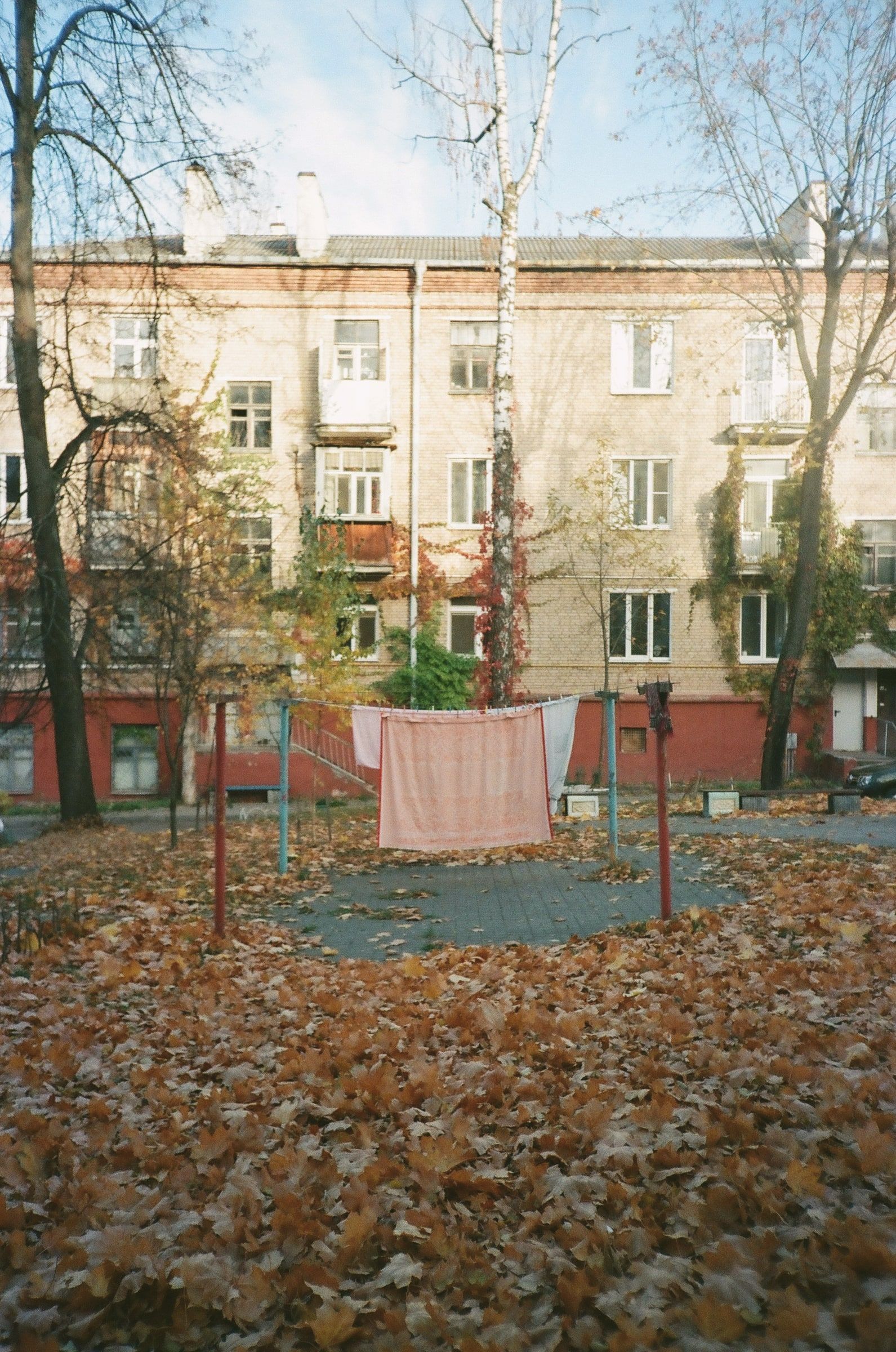
People walk, park, play and spend time in the housing company’s yard. Its condition affects safety and comfort every day, and it is the first thing a prospective buyer sees when they come to view an apartment. A poorly kept yard can cause falls, and rainwater that drains the wrong way soaks the foundations and the basement. The condition of the yard is worth checking every year.
Who is responsible for the yard?
The company is responsible for maintenance except where it is the shareholder’s responsibility (chapter 4, section 2 of the Limited Liability Housing Companies Act). As a starting point, then, the shared yard is the company’s responsibility unless the articles of association say otherwise.
In many terraced houses and blocks of flats, shareholders have a yard in their use. If the right of use is based on the articles of association, the responsibilities are set out there. Following an amendment to the law, from 1 October 2026 a shareholder must also take good care of company areas in their use where the right of possession is not based on the articles of association or a lease, such as the yard area in front of the apartment, and must report any defects they notice there to the company. Maintenance responsibility for such an area does not pass to the shareholder. The more detailed division of work, such as mowing the lawn and maintaining fences, should be agreed and written down. Read more: housing company division of responsibilities.
Checklist
It is a good idea to go round the yard at least once a year, preferably in spring or early summer when the marks left by winter are visible. Observations should be recorded, and safety defects must be fixed immediately.
Paths
Cracks in the asphalt, subsidence, potholes and loose paving increase the risk of tripping. Also check whether water collects on paths and freezes in winter. When surfaces are renewed, accessibility should be taken into account.
Outdoor steps and railings
Check that railings are securely fixed and sturdy, the condition of the steps, rot in wooden parts and rust in metal parts. A loose railing is a serious safety risk.
Trees and plants
Look for dead branches, leaning trunks, rot and storm damage. A falling tree can damage buildings, cars or people. Overgrown bushes reduce visibility, get in the way of access and maintenance and can make people feel less safe. Felling a tree may require a permit from the municipality, so check this before any work.
Lighting
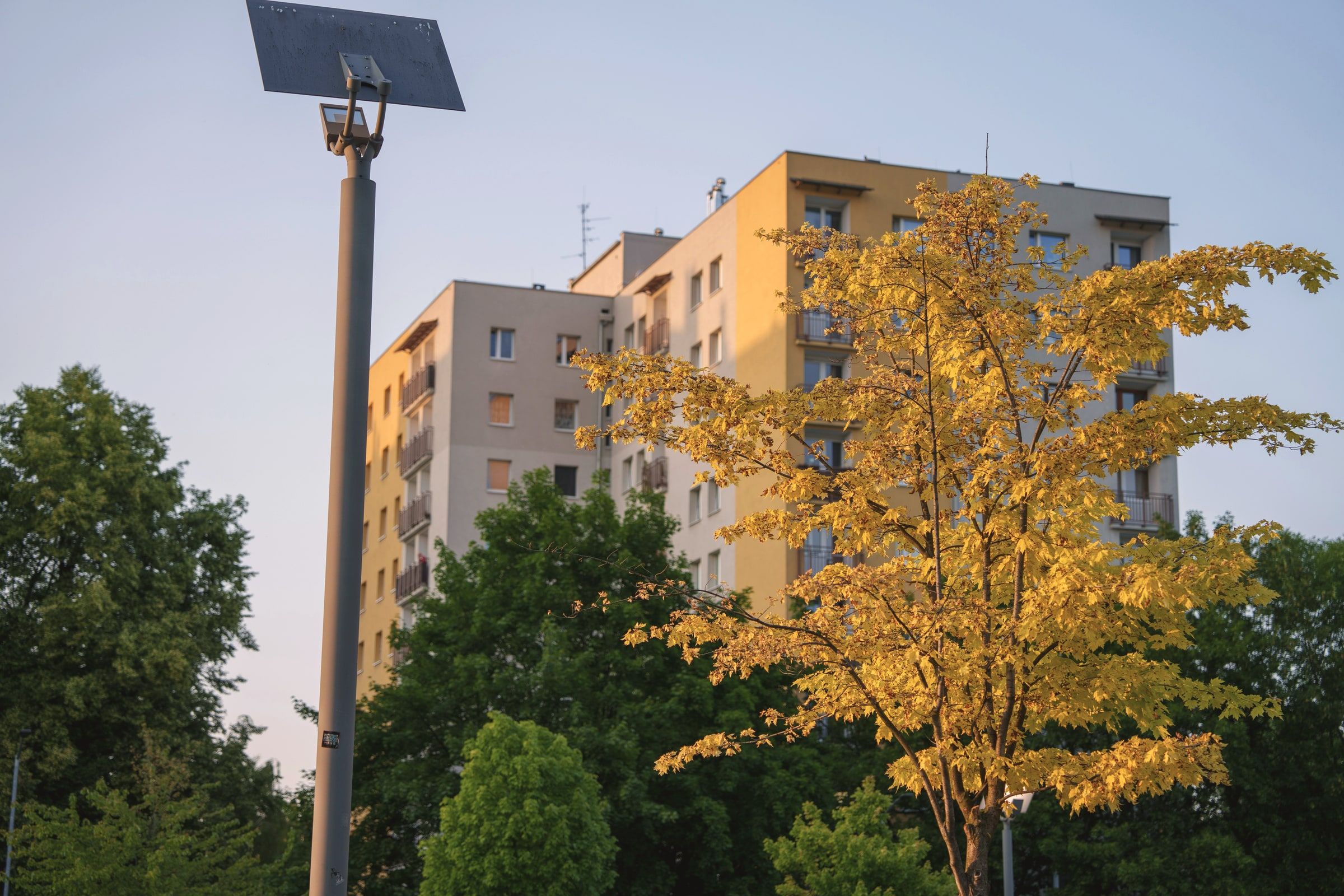
Check that the yard lights and motion sensors work, that light fittings are secure and whether any corners of the yard are left dark. Lighting becomes especially important in autumn and winter.
Parking area
Check the condition of the surface, the bay markings, visibility at junctions, how rainwater drains away and the lighting.
Rainwater and drainage
Many yard problems are related to water. The ground should slope away from the building, downpipes should direct water well away from the wall, and stormwater gullies and foundation drains should work. Puddles along the wall or a darkened plinth show that water is going to the wrong place. Gutters and downpipes are covered in more detail in the article on housing company gutters.
The yard in the long-term plan
Larger yard projects, such as resurfacing or repairing the drainage, should be scheduled as part of long-term maintenance and the maintenance needs report. The yard check can be combined with a walk round the outside of the building, which is described in the article on the housing company summer round.
This article provides general information and does not replace case-specific legal or technical advice.