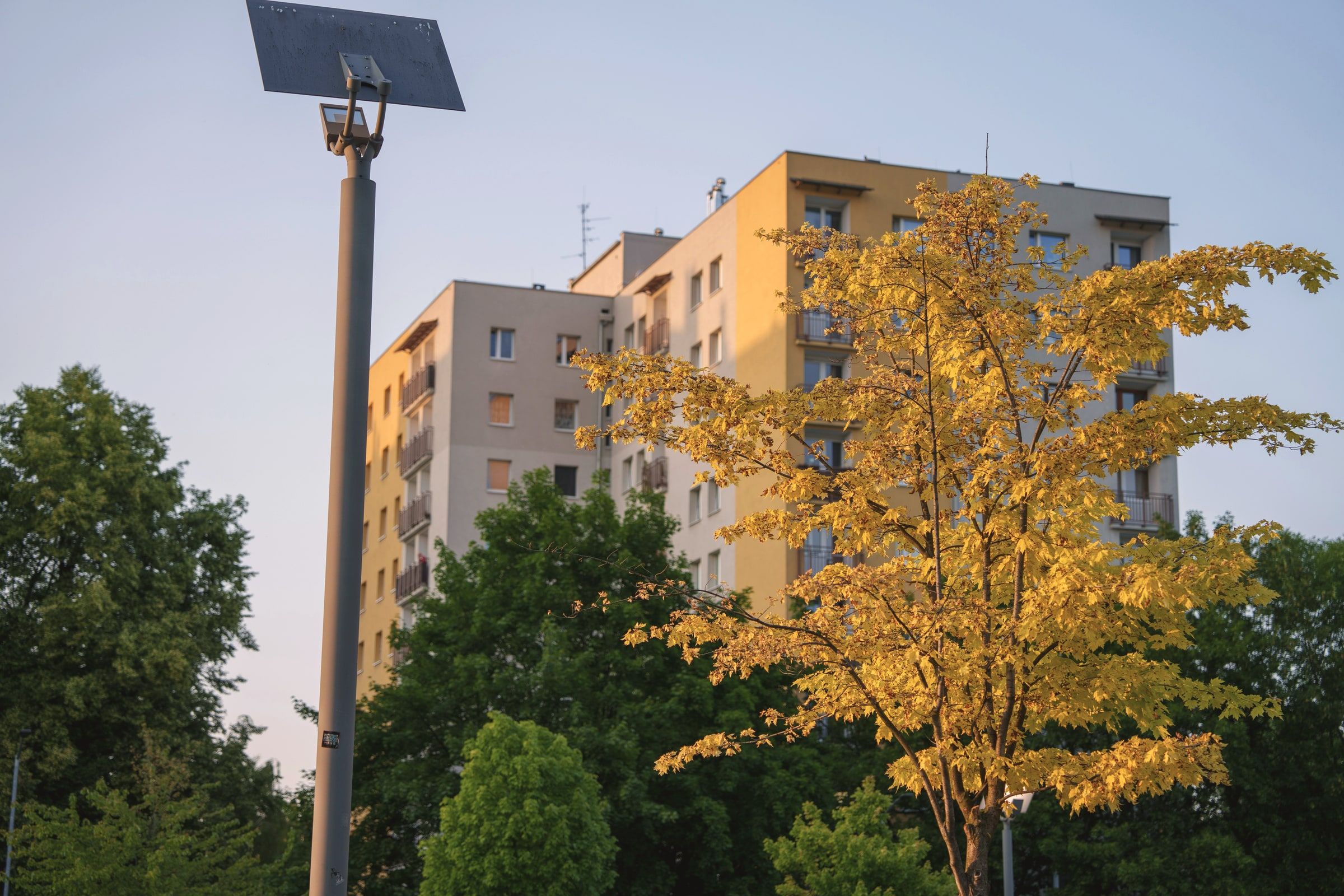
Can a housing company go bankrupt? 7 warning signs for the board
In this article
A limited liability housing company can be declared bankrupt like any other entity if it is insolvent. Related changes to the law took effect on 1 October 2026, and the board and shareholders should also know the signs that reveal financial problems in time.
Bankruptcy is still rare, but the number of cases has grown. According to the government proposal HE 34/2026, in 2019–2023 bankruptcy was sought for an average of about nine housing companies a year, whereas between 1 January 2024 and 29 October 2025 applications were made for about 109 companies. The typical background is a repair backlog, difficulty obtaining loans, falling apartment values and higher interest rates and other costs, often in declining areas. Financial problems usually develop over years, so there is time to notice the warning signs.
What the law says
A court decides on declaring bankruptcy on the application of the debtor or a creditor. Under the Bankruptcy Act (konkurssilaki, 120/2004), the precondition is insolvency: the debtor is unable to pay its debts as they fall due, and the difficulty is not temporary. A large loan or an expensive renovation does not in itself mean a threat of bankruptcy.
The amendment of 1 October 2026: the decision lies with the general meeting
Chapter 22, section 25 of the Limited Liability Housing Companies Act, which concerns bankruptcy, changed on 1 October 2026 (Act 535/2026). The key changes:
- As a rule, the general meeting decides on filing for bankruptcy. Previously the decision belonged to the board. The board may decide to file for bankruptcy only if waiting for the general meeting’s decision would cause significant harm. In that case, the board must notify the shareholders of the decision in writing without delay.
- The shareholder’s right of possession and obligation to pay charges end after one month. They cease one month after the bankruptcy administrator has notified the shareholder of the court’s bankruptcy decision. The administrator must also deliver notice of the decision to the apartment.
- Leases end at the same time. The lease between the shareholder and a tenant ends without notice when the shareholder’s right of possession ceases. The shareholder must inform the tenant of the date without delay. If they fail to do so, the tenant may be entitled to reasonable compensation for moving costs.
- Upkeep in the interim period is limited. Between the bankruptcy decision and the end of the right of possession, the company and the shareholder are responsible only for immediate upkeep whose neglect would significantly restrict the use of the apartments.
If necessary, residents can continue to live in the apartments during the bankruptcy with the consent of the administrator and the creditors, for example in return for payment. The previous provision applies to bankruptcies that began before 1 October 2026. For a shareholder, bankruptcy therefore means that the right to live in their own apartment may come to an end.
Seven warning signs
1. Unpaid charges are growing
A single late payment does not indicate a crisis. It is worrying if arrears build up from several shareholders or the same receivables grow month by month. A housing company’s income consists mainly of charges, and if they are not received, the company cannot pay its own bills. The board should monitor the amount and age of arrears and the progress of collection regularly. Read more: unpaid maintenance charges.
2. Essential repairs are postponed from year to year
The finances can look stable while the building deteriorates. A leak in its early stages can lead to extensive moisture damage and a small roof leak to structural damage. Postponement alone does not drive a company into bankruptcy, but it weakens the company’s position and its ability to borrow. See also the housing company’s repair backlog.
3. Liquidity is weakening
A housing company can own a valuable building and still have an empty bank account. Liquidity means the ability to pay bills on time as they fall due. It is weakened by, for example, arrears, unexpected damage, large repair costs, rising interest rates and inadequate financial planning.
4. Financing cannot be obtained for essential repairs
A loan in itself is not a problem, since a large proportion of housing companies finance their major renovations with loans. A serious sign is when banks no longer grant financing or shareholders do not approve essential repairs, so the building’s condition deteriorates rapidly. The bank’s perspective is covered in the article on housing company financing.
5. There is no up-to-date picture of the finances
If the board does not know the amount of arrears, the cash position, upcoming major repairs or the effect of interest rates, it reacts to problems too late. The board does not need to be made up of finance professionals, but it must make sure the information is available.
6. Decisions are made only after problems arise
A typical pattern is that problems are solved only once they have materialised: a leak is repaired only after moisture damage, the roof is replaced only after repeated leaks and the finances are examined only when bills go unpaid.
7. Identified risks are not acted on
The most serious sign is that the problems are known but nothing is done. No single sign means a threat of bankruptcy. If several occur at the same time, the board should carefully assess the company’s financial situation, with an expert if necessary.
The board’s responsibility
The board is not responsible for ensuring that the housing company never runs into difficulties. It must, however, see to it that the supervision of accounting and financial management is properly organised (chapter 7, section 2) and act with due care to promote the company’s interests (chapter 1, section 11). In practice this means continuously monitoring the company’s financial position.
If the company’s equity becomes negative, the board must without delay file a registration notice on the loss of share capital (chapter 22, section 23). When the situation becomes difficult, alternatives to bankruptcy, such as corporate restructuring or a managed liquidation, are worth investigating in good time with an expert.
What a shareholder can do
A shareholder can study the financial statements and the maintenance needs report (kunnossapitotarveselvitys), attend general meetings, ask about the finances and support financially sound repairs. Because the general meeting now decides on filing for bankruptcy as a rule, shareholders’ participation matters more than ever.
Frequently asked questions
Who decides on filing for bankruptcy?
From 1 October 2026, the general meeting as a rule. The board can decide on it only in an urgent situation, and it must notify the shareholders of the decision without delay. A creditor can also apply for the company to be declared bankrupt.
What happens to a shareholder’s apartment in bankruptcy?
The shareholder’s right to possess the apartment and obligation to pay charges end one month after the bankruptcy administrator has notified them of the bankruptcy decision. They can continue living there only by agreement with the bankruptcy estate.
Does a large company loan mean bankruptcy is near?
No. Large loans are common in connection with major renovations. What matters is whether the company can meet its obligations.
Can one shareholder cause a bankruptcy?
Usually not. However, long-running and large arrears can significantly weaken liquidity, especially in a small company.
Sources
- Limited Liability Housing Companies Act 1599/2009, consolidated text (Finlex, in Finnish) (opens in a new tab)
- Act amending the Limited Liability Housing Companies Act 535/2026 (Finlex, in Finnish) (opens in a new tab)
- Bankruptcy Act 120/2004 (Finlex, in Finnish) (opens in a new tab)
- Government proposal HE 34/2026 vp for an act amending the Limited Liability Housing Companies Act (eduskunta.fi)
This article provides general information and does not replace case-specific legal or technical advice.