The summer building check: ten things worth looking at
In this article
In summer, the building is easiest to inspect from the outside and from above: snow and ice do not hide damage, and it is safer to go up on the roof or scaffolding. Defects found on a summer round can also be repaired before the autumn rains. This checklist is intended for the board, the property manager and the maintenance company.
Much damage develops slowly. A blocked downpipe, a small crack in the facade or a leaking roof penetration does not show in the apartments straight away, but over the years it can let water into the structures. That is why the round should be done every year and the observations recorded, so that changes can be compared with the previous round.
What the summer round is and what it is not
The summer round is a visual check of the building, the yard and the technical systems. It is usually carried out by the maintenance company, the property manager or the board, together with an expert if needed. The round does not replace a condition assessment or condition survey, but it shows what needs to be investigated further and what should be included in the maintenance needs report (kunnossapitotarveselvitys).
Only professionals with proper safety equipment should go on the roof or other high places.
Ten things to check
1. The roof
Look for loose or broken tiles, tears in roofing felt and rust on metal roofs. Check penetrations such as ventilation stacks, chimneys and aerials. Roof drains and gutters should be clear and their fixings in good condition.
2. The facade
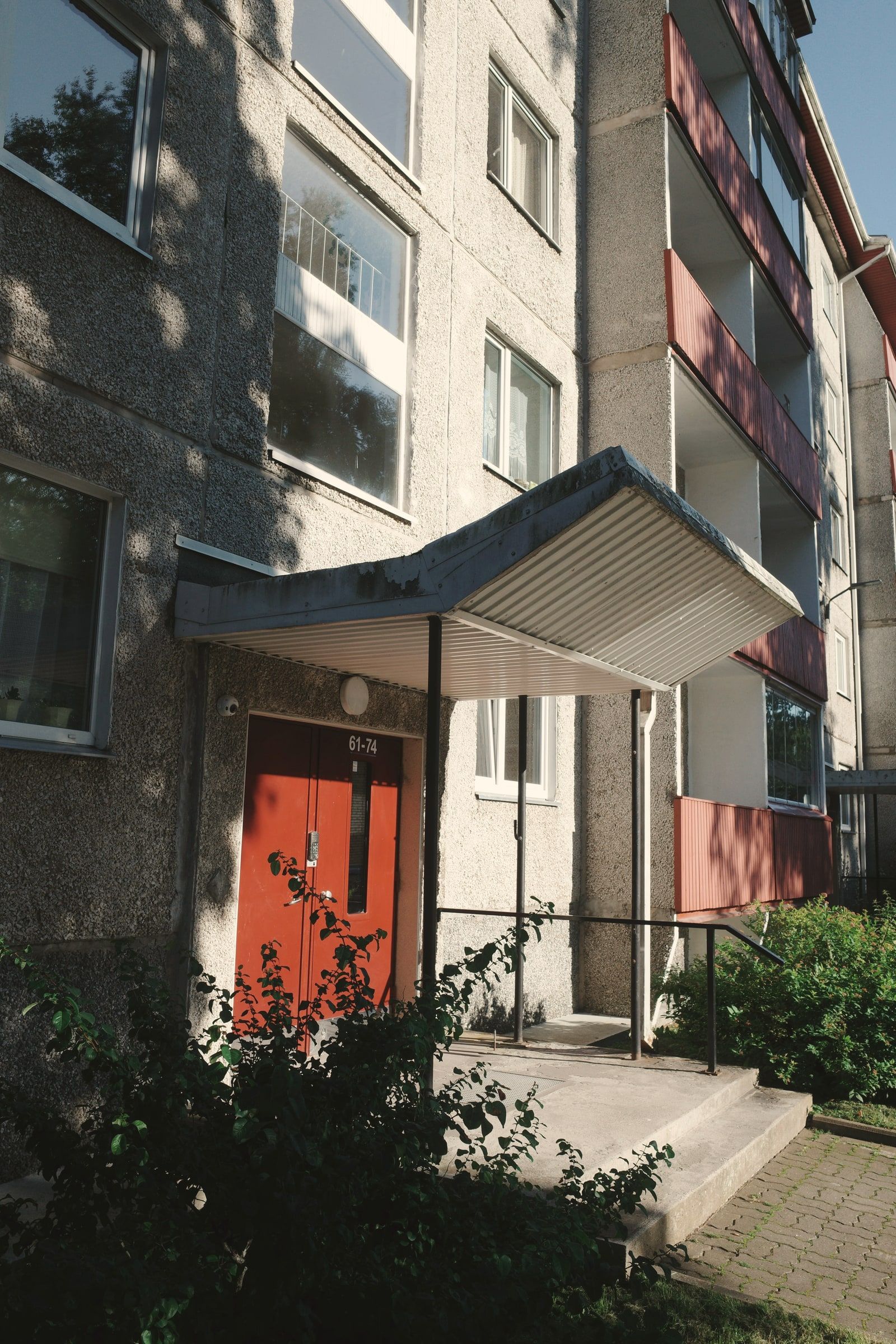
Cracks, weathering, worn paintwork and loose materials indicate moisture stress. In buildings made of prefabricated concrete elements, the condition of the joints is particularly important, because a failed joint lets water into the structure.
3. Balconies
Look for spalling concrete, cracks and exposed reinforcement. Check that the railings are firmly attached and sturdy, look for rust and check the balcony drainage. Balconies are covered in more detail in the article on balconies.
4. Rainwater and perimeter drains
Downpipes should direct water away from the wall, and the ground should slope away from the building. Look for dips, puddles or signs of waterlogging along the wall, and open the inspection chambers of the perimeter drains.
5. Plinth and foundations
Cracks can indicate movement in the structures, and darkening or growth can indicate moisture build-up. A new or growing crack should be photographed and shown to an expert.
6. Yard and paths
Look for dips and potholes in the paths, and check the outdoor steps, railings and the condition of the car park. A more detailed yard checklist is in the article on the housing company yard.
7. Trees and vegetation
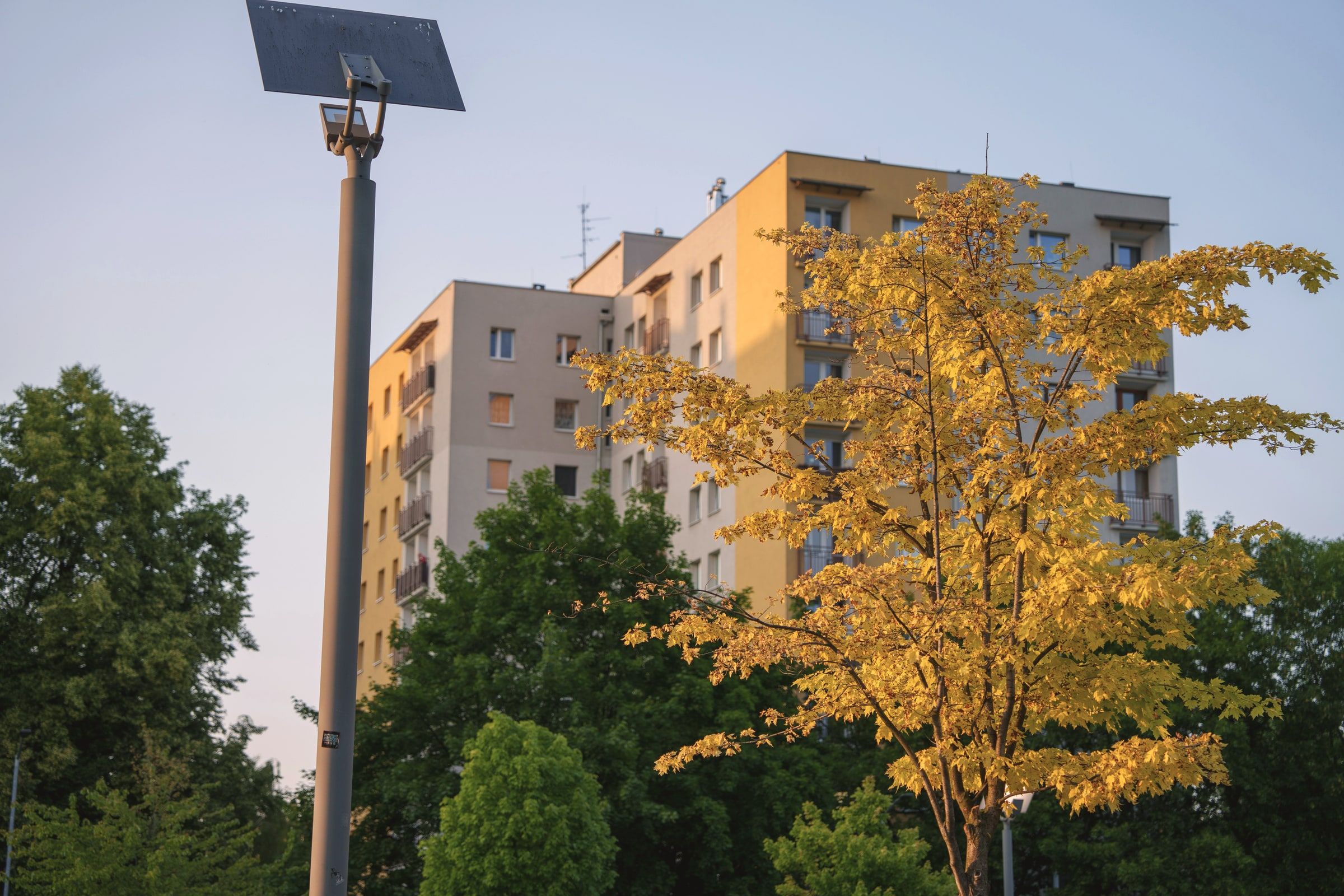
Leaning trunks, rot and dead branches are a risk to buildings, cars and people in a storm. Vegetation that has grown up against the wall holds moisture against the structure, and roots can damage perimeter drains and paving.
8. Ventilation
Check that the ventilation units and filters are working, listen to the extract fans and look out for any odour problems. It is worth asking residents whether their apartments feel stuffy or draughty.
9. Lighting and doors
In the light summer months, a broken yard light easily goes unnoticed. Check the light fittings, motion sensors, gates and doors, and the closers on the exterior doors before the dark autumn arrives.
10. Signs of leaks
Darkening on the facade, a smell in the basement, blistering paint and damp marks can point to a leak. The earlier a leak is found, the smaller the damage usually is. See also water damage in a housing company.
From observations to a plan
For each observation, record the location, date and a photo, and agree who will take care of the follow-up. Safety defects are fixed straight away; others are prioritised and added to the maintenance plan. In autumn, the checks continue with autumn maintenance.
An outdoor round tells you about the building envelope, but many water leaks start inside the apartments: from a blocked floor drain, a loose pipe bracket or a leaking joint. That is why it makes sense to plan a check of the apartments alongside the summer round.
This article provides general information and does not replace case-specific legal or technical advice.