Reporting a fault: fixing the symptom or the cause?

In this article
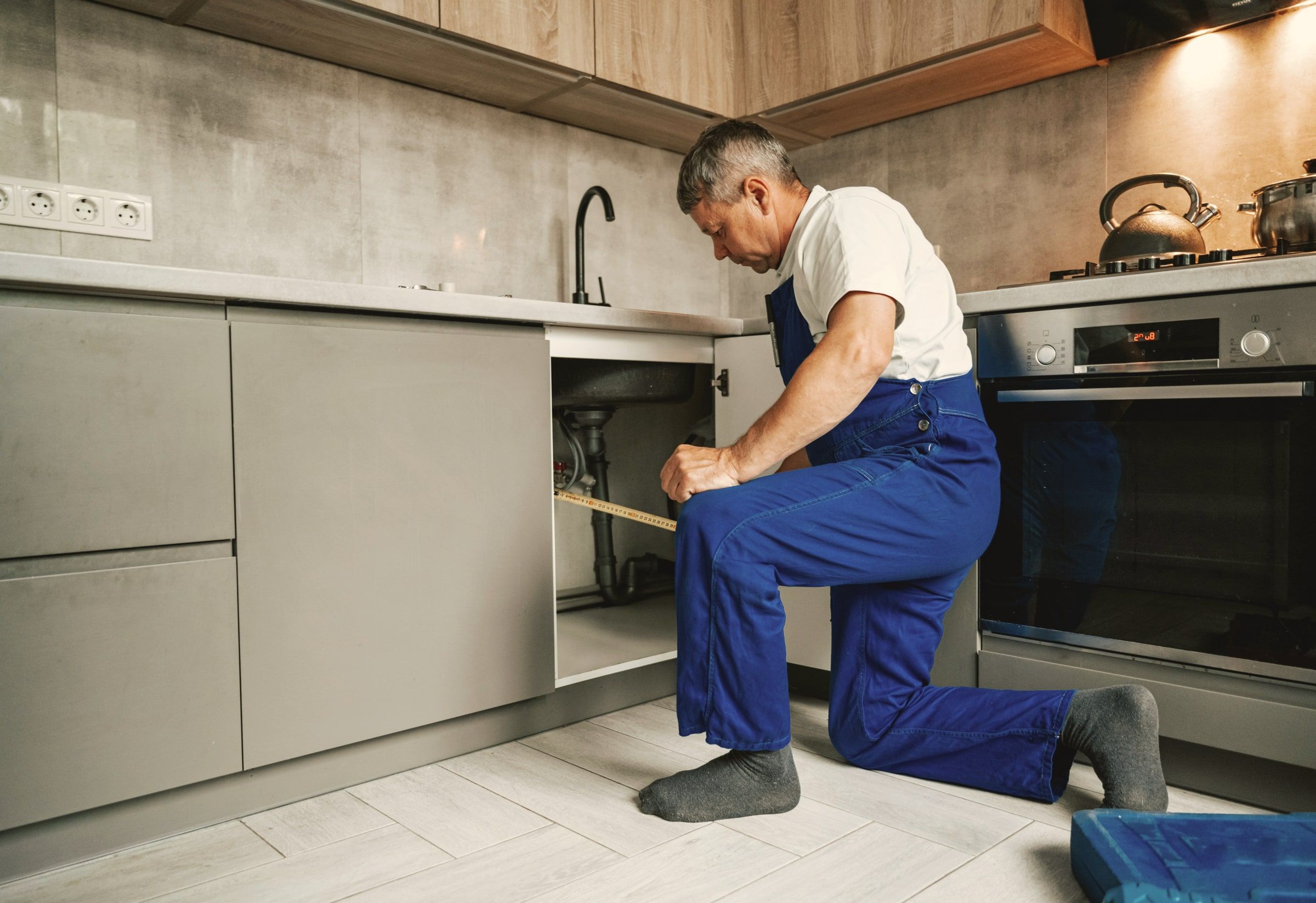
The front door won’t close, a tap is dripping or there is a strange smell in the basement. A resident reports the fault, maintenance comes round and the fault is fixed. Most of the time that is enough. Sometimes, though, the same fault keeps coming back and the repair does not last. That is when a good fault report helps the board notice a recurring problem.
A symptom is not the same as a cause
Imagine the caretaker adjusts a front door that won’t close. A month later the problem recurs and the door is adjusted again, and three months later the same thing happens. At this point it may no longer be a matter of adjustment: the underlying issue could be a worn mechanism, a broken part or movement in the structure.
A fault report tells you that a problem has been observed somewhere. It does not tell you the root cause, and the purpose of an individual work order is not usually to carry out a technical investigation. When several reports come in about the same thing, the recurrence is valuable information in itself.
What the law says
The shareholder’s duty to report
Under the Limited Liability Housing Companies Act, a shareholder must notify the company without delay of a fault or defect in the apartment that the company is responsible for repairing. From October 2026, the same obligation applies to company premises and areas in the shareholder’s use where possession is not based on the articles of association or a lease, such as the yard area in front of the apartment or a storage space made available to the shareholder.
The company cannot fix a problem it does not know about. If reporting is neglected and the damage has time to spread, the shareholder may be liable for the costs caused by the spread.
A report does not decide who repairs
A fault report does not decide whether the repair falls to the company or the shareholder; responsibility is assessed after the report. Under the main rule of the law, the company is responsible for structures, insulation, windows and main systems, and the shareholder for the inner parts of the apartment, unless the articles of association provide otherwise. Responsibilities are explained in more detail in the article on division of responsibilities in a housing company.
The board’s role
The board sees to the proper organisation of the upkeep of the property. It does not have to investigate every fault report itself or act as the maintenance company’s supervisor, and the law does not prescribe what kind of fault reporting system a housing company must have. What matters is that issues brought to the company’s attention are dealt with properly.
How to make a good fault report
Report the fault according to the housing company’s instructions, for example in the maintenance company’s online system or to the property manager. In the report, include:
- what you observed and where
- when you noticed it and whether it has happened before
- whether the damage is spreading, for example an active leak
- a photo, if it helps.
In urgent situations, such as a water leak, call the maintenance company’s emergency number. If there is a danger to life, call the emergency number 112.
When it is worth investigating the cause
Not every fault needs investigating. A bulb is replaced, a door closer is adjusted and a loose part is reattached. Running a housing company would be cumbersome and expensive if an expert report were ordered for every fault report.
It is, however, worth considering whether further investigation is needed when:
- the same fault or a similar problem recurs
- the problem returns soon after a repair
- the same problem occurs in several apartments or parts of the building
- the problem involves a risk of moisture, a safety risk or a risk of damage
- the cause of the fault remains unclear.
Water that gets into the basement after heavy rain can be removed and the space dried. If water comes in after every rainfall and the only action taken is removing it, the actual cause remains uninvestigated.
Practical advice for the board
The following are practical recommendations, not statutory obligations.
Distinguish observation, symptom and cause
A dark mark under a window is an observation. A surface that appears damp is a symptom. The cause is not yet known and should not be guessed; if necessary, the matter is referred to a qualified expert.
Track recurrence
A housing company may have hundreds of work orders over the years, yet the board may still not know which faults recur most. Simple tracking is enough: type of fault, location, number of reports, actions taken and whether the problem came back. For example, the basement exterior door malfunctions in 2024, the same door is adjusted twice in 2025 and the problem recurs again in 2026. Once the pattern is visible, it is easier to ask whether only the symptom is still being fixed. More on this in the article on housing company fault history.
A closed work order tells you that the ordered work has been done, not that the root cause has been found. If the problem disappears permanently with a simple maintenance task, all is well. If it keeps coming back, tracking should bring this to light.
Combine reports with findings from rounds
A fault report only comes in once someone notices a problem. On an apartment or building round, observations can also be made about things nobody has reported yet. If the reports and the findings from the round point to the same place, a closer investigation may be warranted. A round does not, however, replace a condition survey.
Questions after a recurring fault
- Has the same fault occurred before, and how often?
- Is it always in the same place?
- What was done on previous occasions, and how long did the fix last?
- Is the actual cause of the fault known?
- Does it involve a risk of damage or a safety risk?
- Is a closer investigation needed, and when will the matter be checked again?
Frequently asked questions
Who do I report a fault to?
According to the housing company’s instructions, usually to the maintenance company, the property manager or via an online system. The instructions can usually be found on the stairwell notice board or on the housing company’s website.
Does the maintenance company repair all faults?
Not necessarily. The maintenance company’s tasks are determined by the maintenance contract, and responsibility for repairs may lie with the company or the shareholder. Some faults require a separate contractor or expert.
Does the cause of every fault need investigating?
No. A closer investigation is justified when the problem recurs, its cause is unclear or it involves a significant risk of damage or a safety risk. Collecting residents’ observations is covered in the article on residents’ observations.
Sources: Limited Liability Housing Companies Act 1599/2009, Finlex (opens in a new tab); EV 65/2026 vp (opens in a new tab) (both in Finnish).
This article provides general information and does not replace case-specific legal or technical advice.