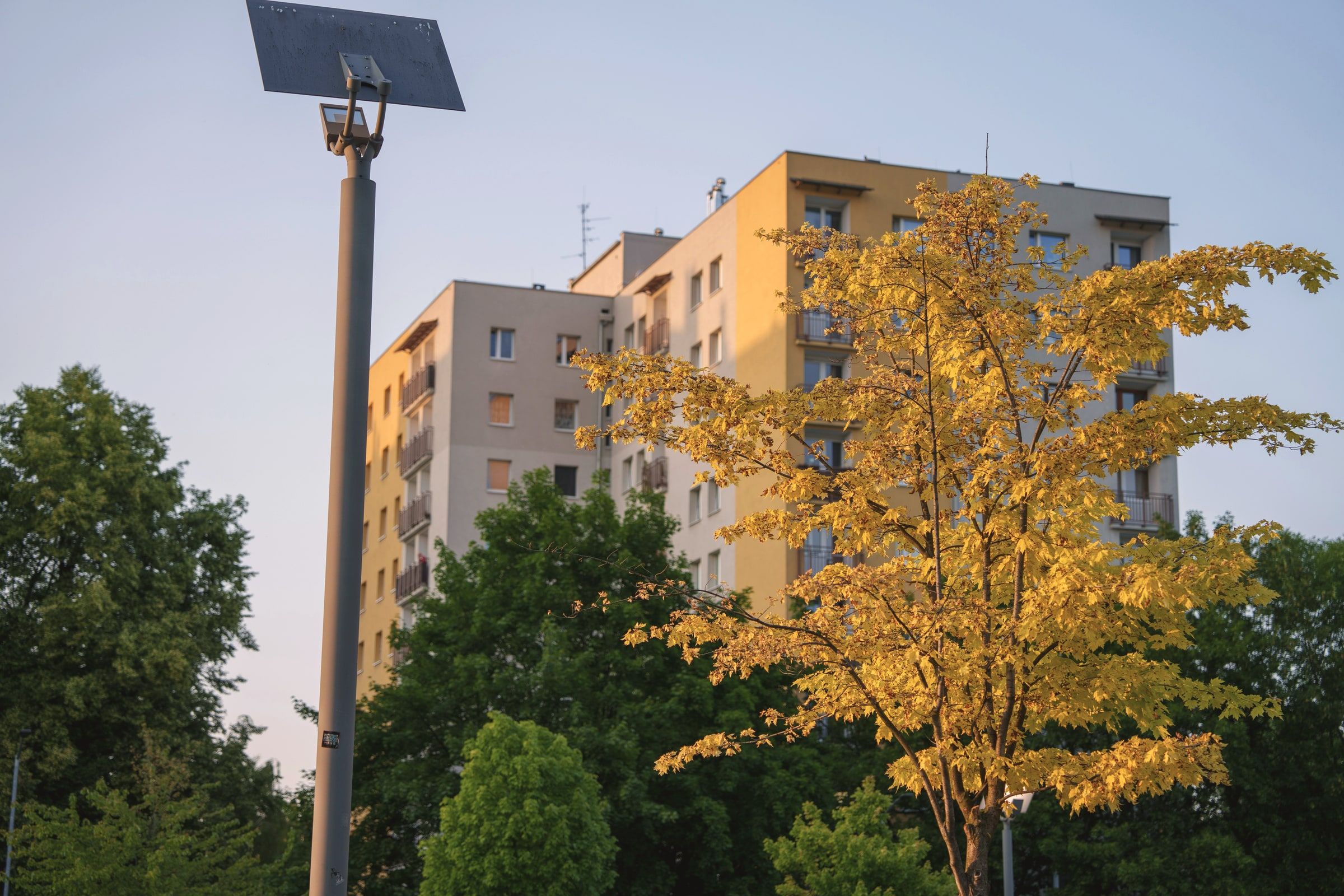
Housing company value: what you cannot see affects the price

In this article
When assessing the value of an apartment, attention easily turns to the kitchen, the bathroom, the surfaces and the layout. But a buyer of housing company shares is not buying just an apartment. They are buying shares that entitle them to occupy the apartment and, with them, a stake in the housing company: its buildings, debts, contracts and future repairs.
That is why the housing company’s condition and finances belong on every shareholder’s and buyer’s checklist. Your own apartment may be in excellent condition even if the building faces expensive repairs. Looking after the assets from the board’s point of view is covered in the article good housing company management.
What makes up the value
The value of a housing company is not a single figure in euros. It is affected by the buildings, the company’s own plot or ground lease, the technical systems, the common areas, the finances, the loans and the maintenance needs. An apartment’s market value is also affected by its location, the features of the apartment and demand in the area.
Imagine two well-renovated apartments of the same size in the same area. In one housing company, maintenance has been planned, there is up-to-date information on the condition of the building’s components, and the company has prepared for future repairs. In the other, almost nothing is known about the major repair needs of the next few years. To a buyer the apartments look the same, but the housing companies are not.
Condition does not show in the living room
A tidy facade does not tell the whole story. The roof cannot be seen from the apartment, the pipes run inside the structures, the ventilation units are in the loft or a plant room, and few residents see the moisture observations in the basement.
Renewing the roof, facade, balconies, windows, pipework and technical systems accounts for most of a housing company’s future costs. An old building is still not automatically a bad one. What matters is knowing what condition it is in and what can be expected of its maintenance. A new kitchen tells you nothing about the housing company’s drains. Read more about the housing company repair backlog.
Future renovations, the maintenance charge and loans
A roof renovation, facade repair, pipe renovation or window replacement may lie ahead. A renovation improves the building, but it brings costs, financing arrangements and disruption for the shareholders.
A low maintenance charge looks attractive, but on its own it does not tell you much. If no provision has been made for repairs, affordable living now can mean large costs later. Nor is a company loan automatically a bad thing. What matters is what the loan was used for, how much of it remains and on what terms it is being repaid.
Postponing repairs can be justified when the decision is based on information about the building’s condition and risks. Postponing without that information is the problem, because in practice it means waiting until something breaks.
Where to find the information
Under the Limited Liability Housing Companies Act (asunto-osakeyhtiölaki), the board must present at the annual general meeting a written report on maintenance needs for the next five years and on significant maintenance and alteration work carried out (chapter 6, section 3). This maintenance needs report is one of the most important documents for shareholders and buyers.
Other good sources are the property manager’s certificate (isännöitsijäntodistus), the financial statements and annual report, the budget, the articles of association, condition assessments and condition surveys, and the maintenance log (huoltokirja). Following the amendment to the law that came into force on 1 October 2026, a shareholder has the right to receive promptly a copy of any document held by the company that concerns their apartment. The company may charge a reasonable fee for the copy.
As well as documents, you need observations of the building’s current state. Building walk-throughs and apartment rounds reveal, for example, damp marks, wear and recurring faults. A walk-through does not replace a condition survey, but it shows what is worth investigating more closely. Observations should be recorded with a date and a photo, because change over time often says more than a single observation.
Ten questions for shareholders and buyers
- When were the most important parts of the building last inspected?
- What repairs have been carried out in recent years?
- What repairs are planned, and when?
- What does the maintenance needs report say?
- How much has the company borrowed, and what was the money used for?
- Is the budget realistic in view of future needs?
- Does the building have recurring moisture, pipe or other faults?
- Has a condition assessment or any condition surveys been carried out on the building?
- How is maintenance responsibility divided in the articles of association?
- What is currently not known about the building?
Buyers will find more tips in the article buying shares in a housing company.
Frequently asked questions
Does the housing company’s condition affect an apartment’s value?
It is one factor that buyers take into account. The price is also affected by, among other things, location, the features of the apartment and the market situation.
Is a large company loan always a bad thing?
No. What matters is what the loan was used for, how much of it remains, on what terms it is being repaid and what condition the building is in after the repairs.
Does a building walk-through replace a condition survey?
No. A walk-through helps to spot visible changes and anomalies. Establishing the condition of the structures requires an expert investigation where necessary.
This article provides general information and does not replace case-specific legal or technical advice.